
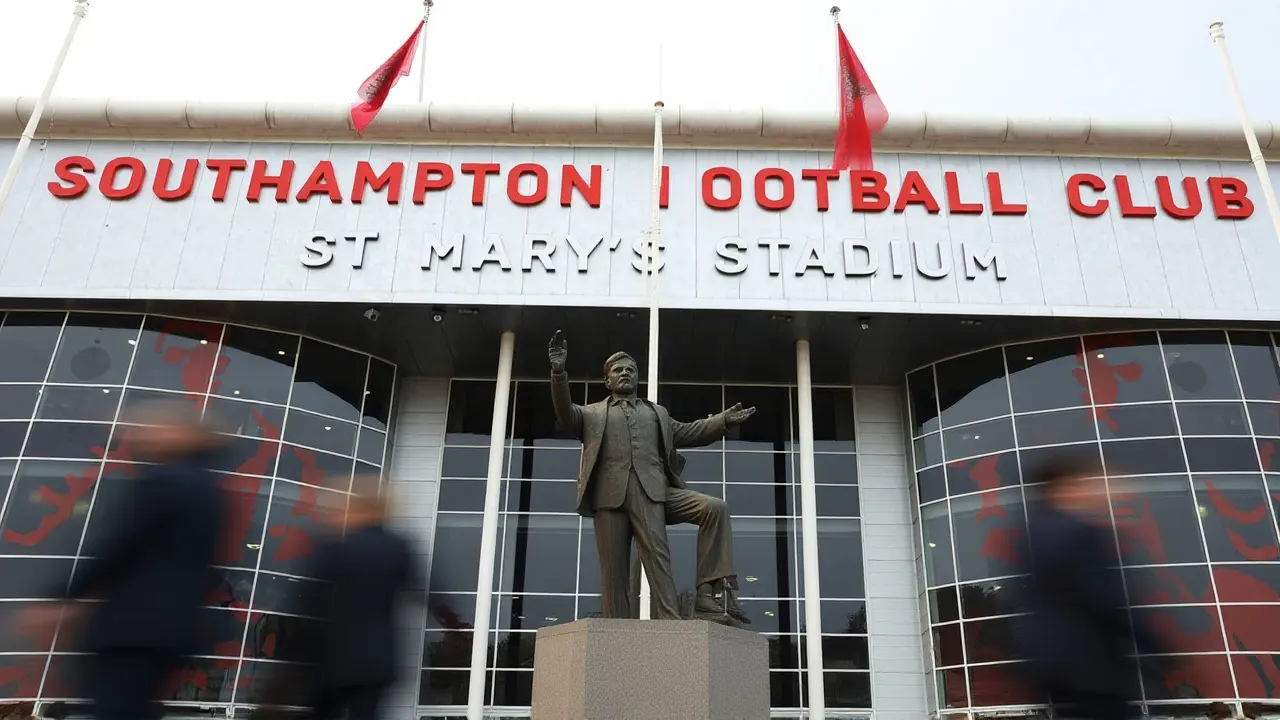
The English Football League has formally charged Southampton Football Club with serious misconduct after an alleged spying operation at their playoff rival’s training ground. The incident, which unfolded just days before a crucial Championship semifinal, involves accusations that a Southampton staff member infiltrated Middlesbrough FC's private sessions to gather tactical intelligence.
This isn't just a minor rule breach; it strikes at the heart of competitive integrity in English football. With the stakes incredibly high for both clubs seeking promotion to the Premier League, the EFL's move to initiate disciplinary proceedings signals that they are taking zero tolerance seriously. For fans, this adds a layer of tension and controversy to what should be a purely sporting contest on the pitch.
The Incident at Rockliffe Park
Here’s the thing: the allegations center on a specific event at Rockliffe Park, Middlesbrough’s high-security training facility. Staff members reportedly spotted an unauthorized individual observing their private training session. According to initial reports, this person was believed to be a performance analyst employed by Southampton.
The suspect didn’t just watch from afar. Reports indicate he recorded photos and videos of the session using his mobile phone. When confronted or realizing he had been discovered, the individual allegedly deleted the footage immediately and fled the scene. To avoid identification, he reportedly changed his clothes at a nearby hotel before leaving the area entirely.
Middlesbrough has identified the man as a performance analyst who joined Southampton over a year ago. While the exact timeline of his employment history with other Premier League clubs remains unclear, his presence at the facility without authorization is the core issue. The club argues this was a deliberate attempt to gain an unfair advantage ahead of their semifinal clash.
Breaking EFL Regulations
Southampton now stands accused of violating two key regulations within the EFL handbook. First, Regulation 3.4 mandates that all clubs must act in "utmost good faith" toward one another. It’s a broad clause designed to ensure fair play and respect between competitors.
More specifically, they are charged under Regulation 127. This rule strictly prohibits any club from viewing or attempting to observe another club’s training session within 72 hours of a scheduled match. The 72-hour window is critical—it’s the period when teams finalize tactics and make last-minute adjustments. Observing an opponent during this time is considered a direct breach of privacy and competitive fairness.
The EFL has already written to Southampton requesting their observations on the incident. This marks the beginning of the formal disciplinary process. The club will have the opportunity to present its case before a decision is made on penalties.
Middlesbrough Demands Severe Consequences
Middlesbrough FC has taken a firm stance, submitting a formal complaint and calling for significant consequences. The club is pushing for the harshest possible sanctions available under current regulations.
Potential penalties mentioned include heavy fines, points deductions, or even theoretical expulsion from the playoffs. However, let’s be realistic: immediate removal from the promotion race remains historically unprecedented for this type of infraction. While the EFL has the power to impose various penalties, current indications suggest that any disciplinary action may focus on financial or administrative punishments rather than ending Southampton’s season outright.
Despite the severity of the allegations, the likelihood of a tournament disqualification is low. The governing body typically prefers fines and warnings unless there is evidence of systemic corruption or repeated offenses.
A History of Spying in English Football
This incident is not the first of its kind in English football. In 2019, Leeds United was issued a massive £200,000 fine for spying on Derby County’s training session ahead of a match. That high-profile controversy prompted the EFL to codify specific rules designed to prevent such conduct.
The rules that Southampton are now accused of breaking were enacted as a direct result of the Leeds United incident. Before 2019, regulations around training observation were less stringent. The Leeds case served as a wake-up call for the league, leading to the implementation of Regulation 127 and stricter enforcement of "good faith" principles.
By comparing this to the Leeds situation, we can see that while fines are common, the EFL is determined to send a strong message. The £200,000 penalty for Leeds was significant, but it did not result in points deductions or playoff expulsion. This precedent suggests that Southampton may face a similar financial hit but likely won’t be removed from the competition.
What Happens Next?
The formal charging of Southampton marks the beginning of an official disciplinary process by the EFL. The outcome will be determined following the club’s response to the charges. If found guilty, Southampton could face a substantial fine and potential reputational damage.
For Middlesbrough, the focus remains on preparing for the semifinal match. The distraction of the spying allegation is unfortunate, but the team must channel its energy into performance. For Southampton, the priority is to manage the legal fallout while maintaining concentration on the field.
As the investigation proceeds, all eyes will be on the EFL’s final ruling. Will they stick to the precedent set by Leeds United, or will they impose stricter penalties to deter future incidents? Only time will tell, but one thing is certain: this scandal has already cast a shadow over the Championship playoffs.
Frequently Asked Questions
What exactly did Southampton do wrong?
Southampton is accused of sending an unauthorized performance analyst to observe Middlesbrough’s private training session at Rockliffe Park. This individual allegedly recorded video and photos, then deleted them and fled to avoid detection. This violates EFL Regulation 127, which bans observing opponents’ training within 72 hours of a match.
Could Southampton be expelled from the playoffs?
While Middlesbrough is demanding severe consequences, including potential expulsion, it is highly unlikely. Historically, the EFL has imposed heavy fines (such as the £200,000 fine on Leeds United in 2019) rather than removing teams from competitions for spying. Immediate removal remains unprecedented for this type of infraction.
Why is the 72-hour rule so important?
The 72-hour window before a match is when teams finalize their tactics, formations, and player selections. Allowing opponents to observe these sessions would provide an unfair competitive advantage. Regulation 127 was introduced to protect the integrity of these final preparations and ensure matches are decided on the pitch, not through espionage.
Has this happened before in English football?
Yes, the most notable case involved Leeds United in 2019, who were fined £200,000 for spying on Derby County. That incident led the EFL to strengthen its regulations, specifically creating the rules that Southampton is now accused of breaking. The league has since emphasized strict enforcement to prevent similar occurrences.
Who is the individual accused of spying?
Reports identify the suspect as a male performance analyst employed by Southampton. He joined the club over a year ago and previously worked for other Premier League clubs. After being spotted at Rockliffe Park, he allegedly deleted footage from his phone and changed clothes at a nearby hotel to evade identification.
