
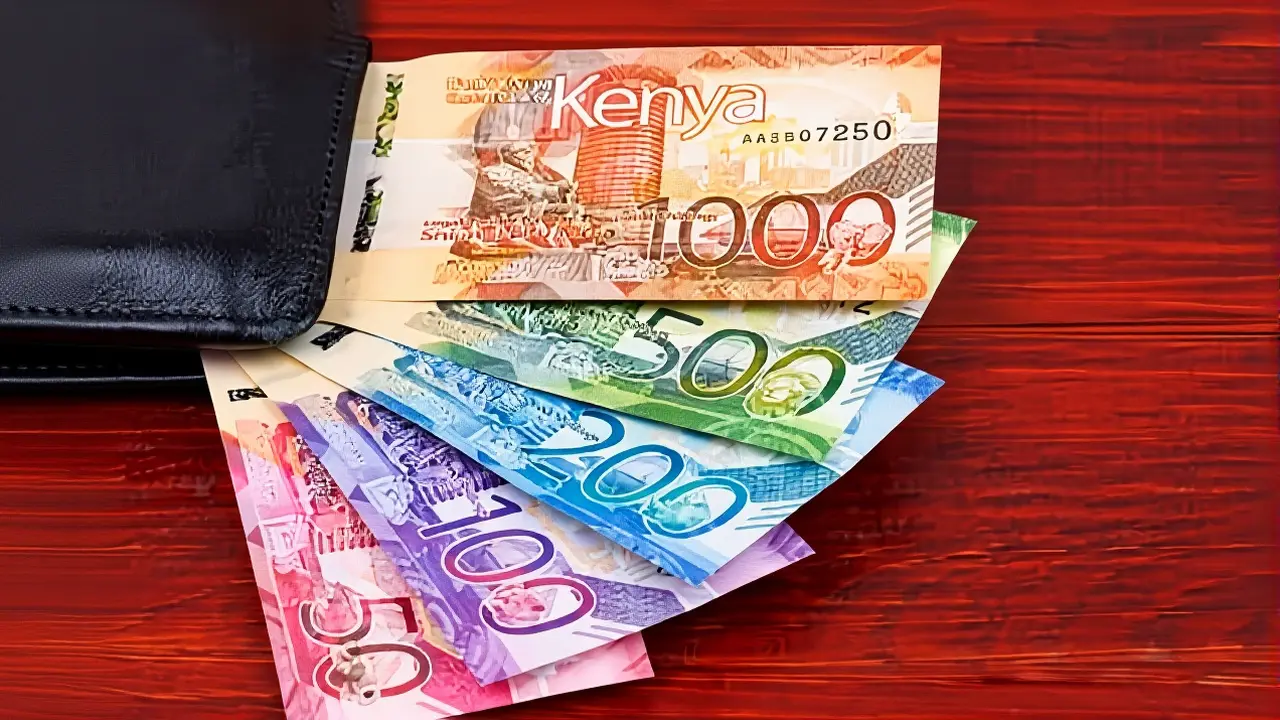
The Kenyan shilling has tumbled to an all-time low against the US dollar, sparking fears of rising inflation and higher costs for imported goods across Nairobi. While traders initially saw short-term stability, major financial institutions are sounding the alarm. The twist? Official data from earlier in 2025 showed a 4.1% appreciation, making this sudden plunge even more jarring for investors and everyday consumers alike.
Here’s the thing: currency markets are notoriously volatile, but this drop signals deeper structural pressures. With global oil prices hovering above $100 per barrel, the pressure on emerging market currencies is intensifying. For Kenyans, this isn't just about exchange rate charts—it's about the price of fuel, food, and medicine at the supermarket.
Wall Street Giants Sound the Alarm
Experts from Citigroup and Societe Generale have issued stark warnings that the shilling could weaken further to KSh 135 against the US dollar. This level hasn't been seen in two years, and it would mark a significant depreciation if sustained. Their prediction hinges on one critical factor: crude oil prices remaining elevated.
"The shilling is expected to slide if oil prices remain above USD100 per barrel," reports The Online Kenyan, citing these private-sector analysts. The logic is straightforward—Kenya imports most of its energy needs. When oil gets expensive, the demand for dollars rises, pushing down the value of the local currency. It’s a classic trade-off that policymakers struggle to manage without stifling economic growth.
Oddly enough, this bearish outlook contrasts sharply with the stance taken by the monetary authority. The Governor of the Central Bank of Kenya has pointed to strong foreign reserves and a balance of payments surplus of $619 million as evidence of underlying stability. These figures suggest the country has a buffer, but whether that buffer is enough to withstand prolonged global energy shocks remains the big question.
A Tale of Two Years: Appreciation vs. Depreciation
To understand why this news feels so contradictory, you have to look at the timeline. According to the Kenya National Bureau of Statistics (KNBS), the shilling actually appreciated by 4.1% against the US dollar throughout much of 2025. This recovery was driven by improving foreign exchange conditions and robust inflows during the first half of the year.
But wait—the recent weeks tell a different story. In the week ending May 15, the shilling experienced marginal depreciation against both the dollar and the euro. By late May, the situation had deteriorated further. A segment on KTN Kenya News Channel highlighted that while the dollar remained steady at 129.1 shillings, the local currency weakened significantly against other major hard currencies.
- The British pound rose from roughly 174.6 to 175.5 against the shilling.
- The euro edged higher from 150.8 to 151.6.
- The South African rand strengthened from 7.6 to 7.8.
These shifts indicate renewed pressure from global markets. Traders anticipate the shilling might remain steady in the immediate coming days, but the broader trend suggests vulnerability. As one analyst noted, "This reflects broader volatility in emerging market currencies." It’s not just Kenya; it’s a regional and global phenomenon.
Policy Moves and Economic Indicators
In April 2025, the Central Bank made a pivotal decision, reducing its policy rate from 10.75% to 10.00%. This cut was intended to stimulate lending and support economic activity. However, interest rate cuts can sometimes put downward pressure on a currency, especially if inflation expectations rise. The KNBS report also noted declines in 91-day Treasury Bill yields, lending rates, and deposit rates following this move.
Despite the currency headwinds, some economic indicators showed resilience. Total external trade improved, rising to KSh 333.0 billion in April 2025. Exports reached KSh 98.4 billion, while imports stood at KSh 234.6 billion. While the trade deficit persists, the increase in export volumes offers a glimmer of hope. Meanwhile, broad money supply (M2 and M3) expanded, though gross foreign exchange reserves declined slightly.
Activity at the Nairobi Securities Exchange also weakened, with reduced share volumes and a lower NSE 20 Share Index. Yet, turnover increased marginally, suggesting that while trading frequency dropped, the value of transactions held up somewhat. This mixed bag of data makes it difficult to draw a simple conclusion about the economy's health.
What Does This Mean for You?
For the average Kenyan, a weaker shilling means imported goods become more expensive. From gasoline to electronics, prices tend to follow the exchange rate. If the shilling hits KSh 135 against the dollar, as predicted by Citigroup and Societe Generale, expect inflation to tick upward. This could erode purchasing power, particularly for middle-income households who spend heavily on imported essentials.
Businesses relying on exports may benefit from a weaker currency, as their products become cheaper for foreign buyers. However, those dependent on imported raw materials will face squeezed margins. The key takeaway? Uncertainty is high. Investors should watch oil prices closely, as they remain the primary driver of this volatility.
Frequently Asked Questions
Why is the Kenyan shilling falling against the dollar?
The shilling's decline is largely driven by rising global oil prices, which exceed $100 per barrel. Since Kenya imports most of its energy, high oil costs increase demand for US dollars, weakening the local currency. Additionally, global market volatility and pressure from other hard currencies like the euro and pound contribute to the depreciation.
Could the shilling reach KSh 135 against the dollar?
Yes, experts from Citigroup and Societe Generale warn that the shilling could weaken to KSh 135 if oil prices remain elevated. This level hasn't been seen in two years and would represent a significant drop from current rates, potentially leading to higher inflation and costlier imports.
How does the Central Bank plan to stabilize the currency?
The Central Bank of Kenya cites strong foreign reserves and a balance of payments surplus of $619 million as stabilizing factors. Recently, the bank also cut its policy rate from 10.75% to 10.00% to stimulate economic activity, though this move carries risks for currency valuation.
Did the shilling perform well in 2025?
Initially, yes. Data from the Kenya National Bureau of Statistics shows the shilling appreciated by 4.1% against the US dollar in early 2025 due to improving forex conditions. However, recent months have seen a reversal, with depreciation against the dollar, euro, and pound indicating renewed external pressures.
What impact will this have on inflation?
A weaker shilling typically leads to higher inflation, as imported goods like fuel, food, and medicine become more expensive. If the currency slides to KSh 135, consumers can expect noticeable price increases across essential categories, potentially reducing household purchasing power.
